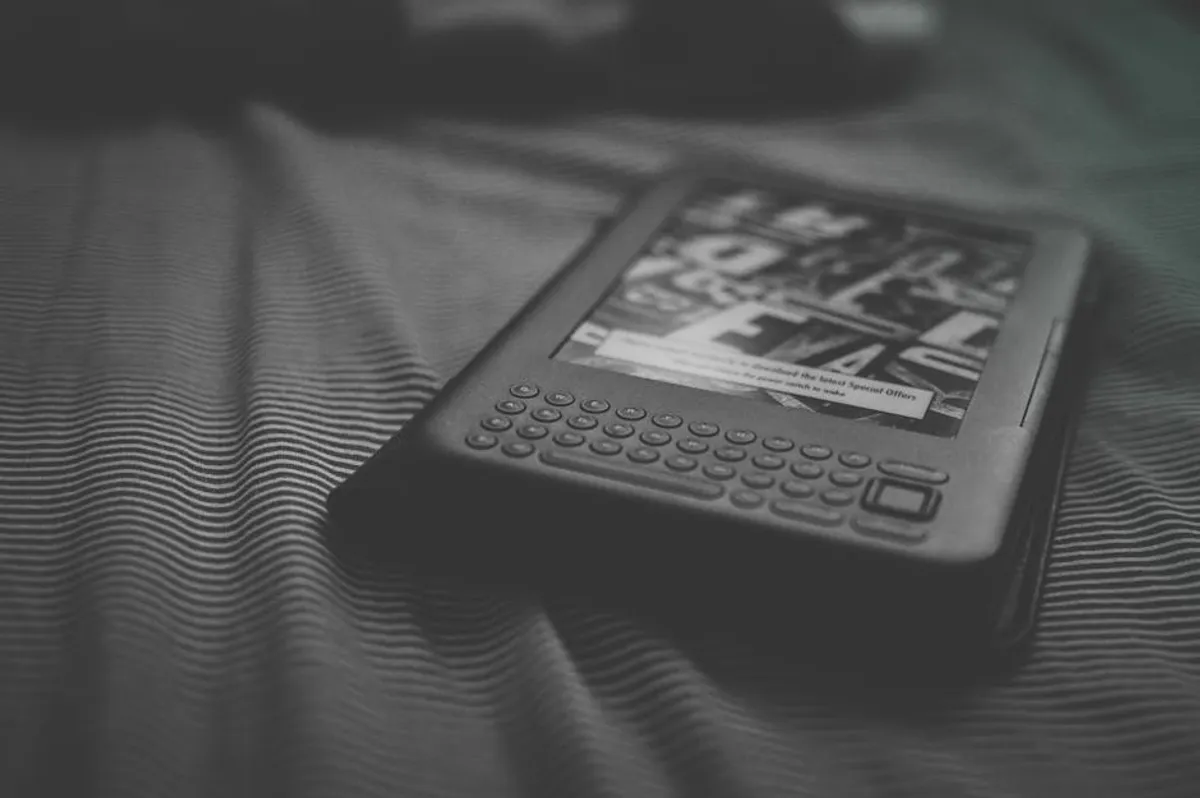
The choice between a paperback and an ebook extends beyond mere preference; it involves a practical assessment of cost, convenience, reading experience, and long-term value. For readers, this decision impacts how they acquire, consume, and store their literary content. For publishers and authors, understanding these dynamics informs pricing strategies, distribution channels, and audience targeting. This comparison details the key differentiators to help make an informed decision based on specific priorities.
Cost Efficiency and Value Proposition
The initial purchase price for ebooks is frequently lower than their paperback counterparts, particularly for new releases. This is primarily due to the absence of printing, shipping, and physical distribution costs for publishers. Ebook pricing models also include subscription services (e.g., Kindle Unlimited, Kobo Plus) which offer access to vast libraries for a monthly fee, potentially reducing the per-book cost for high-volume readers.
Paperbacks, while often more expensive upfront for new titles, benefit from a robust used book market. Secondhand paperbacks can be acquired at significantly reduced prices, often for a fraction of their original cost. Furthermore, a physical book retains a tangible resale value, allowing readers to recoup some of their investment by selling or trading used copies. Collectors also assign higher value to physical editions, especially first prints or unique covers, which ebooks cannot replicate.
Best for budget-conscious, high-volume readers: Ebooks via subscription services.
Best for long-term value retention and resale: Paperbacks (especially used market).
Portability and Storage Considerations
Ebooks offer unparalleled portability. A single e-reader device, often weighing less than a typical paperback, can store thousands of titles. This makes them ideal for travel, commuting, or anyone with limited physical storage space. The ability to access an entire library from a lightweight device eliminates the need to choose which books to bring on a trip.
Paperbacks, by contrast, require physical space. While a single paperback is easy to carry, accumulating a collection necessitates bookshelves and dedicated storage. Their weight and bulk become a factor when traveling with multiple books. However, for those who value a visible library as part of their home decor or as a statement of personal interest, the physical presence of paperbacks is an advantage.
Best for travel and minimalists: Ebooks.
Best for home libraries and tactile presence: Paperbacks.
Reading Experience and Accessibility Features
The reading experience is a significant differentiator. Paperbacks provide a tactile experience: the feel of paper, the scent of ink, and the physical act of turning pages. They are free from screen glare and do not rely on battery life, offering a consistent experience in various lighting conditions (with an external light source). Many readers report less eye strain with physical books compared to backlit screens.
Ebooks, however, offer a highly customizable and feature-rich experience. Readers can adjust font size, font style, line spacing, and screen brightness or warmth to suit their preferences and lighting conditions. Most e-readers use e-ink technology, designed to mimic the appearance of ink on paper, which reduces eye strain compared to traditional LCD screens. Additional features include:
- Built-in dictionaries for instant word lookups.
- Search functionality to quickly find specific phrases or passages.
- Highlighting and note-taking capabilities that can be easily exported or synced across devices.
- Text-to-speech options for audio accessibility.
- Instant access to a vast number of titles without leaving home.
Best for sensory engagement and traditionalists: Paperbacks.
Best for customization, accessibility, and integrated features: Ebooks.
Ownership, Sharing, and Resale Dynamics
When you purchase a paperback, you own a physical object that can be lent, gifted, or resold without restriction. This allows for a vibrant secondary market and the traditional sharing of books among friends and family. Physical ownership also means the book remains accessible regardless of technological changes or platform availability.
Ebook ownership is typically a license to read the digital file, not outright ownership of the file itself. Most ebooks are protected by Digital Rights Management (DRM), which restricts sharing, lending, or reselling. While some platforms offer limited lending options, they are not as flexible as physical books. If an e-reader platform ceases to exist or changes its terms, access to purchased ebooks could be affected. This is a critical consideration for long-term access and the ability to transfer content across different devices or platforms.
Pro Tip: When considering ebooks, be aware of Digital Rights Management (DRM). DRM can significantly restrict your ability to share, lend, or transfer your purchased ebooks to different devices or platforms. For long-term access and flexibility, look for DRM-free ebooks where available, or understand the limitations of the platform you are buying from.
Environmental Footprint
The environmental impact of both formats is complex and subject to ongoing debate. Paperbacks involve tree harvesting, paper production, printing processes, and transportation, all of which consume resources and generate emissions. However, they are also recyclable and can have a long lifespan through multiple readers.
Ebooks require the manufacturing of electronic devices, which involves mining rare earth minerals and energy-intensive production. These devices consume electricity for charging and eventually contribute to electronic waste. However, once an e-reader is produced, the environmental impact per book read decreases significantly, especially for high-volume readers, as it eliminates the need for individual book production and shipping.
Considerations: Both formats have environmental trade-offs. The "better" choice depends on individual consumption patterns and the lifespan of devices versus physical books.
Making Your Informed Choice
The decision between paperback and ebook is not universally fixed; it often depends on the specific context and individual priorities. For casual readers who prioritize cost savings and convenience, especially when traveling, ebooks present a compelling option with their instant access and customizable features. Students or researchers benefit from the search functions and integrated dictionaries of digital formats.
Conversely, for those who cherish the tactile experience, appreciate building a physical library, or value the ability to freely lend and resell books, paperbacks remain the preferred format. Collectors, in particular, will always gravitate towards physical editions for their aesthetic and intrinsic value. Many readers adopt a hybrid approach, using ebooks for casual reading and travel, while purchasing physical copies of their favorite or most anticipated titles for their personal collection.
Frequently Asked Questions
Are ebooks always cheaper than paperbacks?
No. While new ebooks often have a lower initial price than new paperbacks, the used paperback market can offer books at significantly lower costs. Additionally, some specialty or academic ebooks can be quite expensive.
Can I share ebooks with friends?
Generally, no. Most ebooks are protected by Digital Rights Management (DRM), which restricts sharing and lending. Some platforms offer limited lending features for a short period, but this is not as flexible as sharing a physical book.
Which is better for eye health?
Many readers find paperbacks cause less eye strain due to the absence of a backlit screen. However, modern e-readers with e-ink technology and adjustable warm lighting are designed to minimize eye fatigue, often performing better than tablets or smartphones for extended reading sessions.
Do ebooks last forever?
Ebooks themselves are digital files, but their accessibility depends on the device, software, and platform where they are stored or licensed. If a platform closes or changes its format, access to your purchased ebooks could be affected, unlike a physical book that you own outright.