
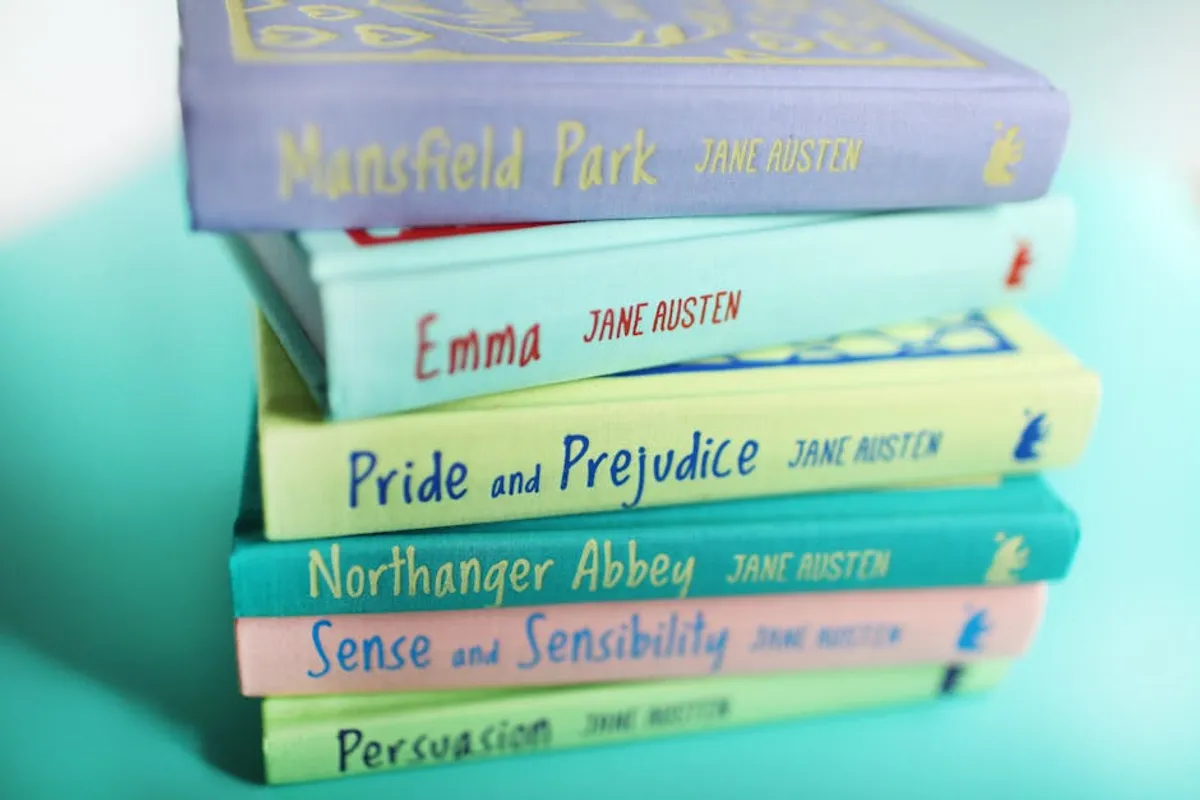
Navigating the literary landscape of Jane Austen for the first time presents a unique challenge: her distinct voice, intricate social commentary, and varied narrative styles mean that not all her works offer the same gateway experience. While her novels are universally acclaimed, their accessibility for new readers can differ significantly. Some provide immediate romantic gratification and sparkling wit, while others demand a deeper engagement with Regency-era societal norms and subtler character development. Choosing the right starting point is crucial for fostering an enduring appreciation rather than a fleeting encounter. This guide prioritizes entry points that balance engaging plotlines with characteristic Austenian elements, ensuring a rewarding initial journey into her enduring literary world. For those who appreciate a structured approach, exploring a recommended jane Austen reading order can provide clarity and enhance the overall experience.
What to Consider When Choosing Your First Jane Austen Novel
Approaching Jane Austen for the first time benefits from understanding what each novel offers and what you, as a new reader, might be seeking. Her works consistently feature sharp social observation, intricate plots driven by character and circumstance, and a focus on marriage as a central societal institution. However, the tone, complexity, and specific thematic emphasis vary. Consider your preference for:
- Romantic Focus: Some novels foreground the romantic journey and the development of a central love story more overtly than others. If you prioritize clear romantic arcs and satisfying resolutions, certain titles will be more appealing.
- Humor and Satire: Austen's wit ranges from lighthearted banter to biting social satire. If you appreciate irony, parody, and comedic situations, look for novels where these elements are prominent.
- Character Depth: While all her characters are well-drawn, some novels delve more deeply into psychological complexity and moral introspection. Readers interested in nuanced character studies might prefer these.
- Pacing and Plot: Some narratives move more quickly, driven by external events or rapid dialogue, while others build slowly, focusing on internal development and detailed social interactions. Your preferred reading pace can guide your choice.
- Social Commentary: Austen critiques her society's conventions, particularly concerning women's roles, class, and economic realities. If you enjoy historical context and layered social critique, you'll find much to appreciate in her more analytical works.
- Length and Structure: Her novels vary in length and narrative style. Shorter, more direct narratives can be less daunting for a first-time reader, while epistolary forms or unfinished works offer different reading experiences.
No single "best" book exists for everyone, but by aligning these preferences with the distinct characteristics of each novel, new readers can find a compelling introduction to one of English literature's most beloved authors.
1. Pride and Prejudice
Jane Austen's most celebrated novel, Pride and Prejudice, stands as the quintessential entry point for new readers. Its enduring popularity stems from a perfect blend of sparkling wit, engaging romance, and incisive social commentary. The story centers on Elizabeth Bennet, a spirited and intelligent young woman, and the wealthy, initially haughty Mr. Darcy. Their journey from mutual disdain to profound affection is a masterclass in character development and narrative tension, driven by misunderstandings, societal pressures, and personal growth. The novel’s brisk pacing, memorable dialogue, and clear romantic arc make it immediately accessible and immensely satisfying, embodying the very best of Austen's literary genius without requiring extensive prior knowledge of her style or era.
Best For: Readers seeking a quintessential romantic comedy with sharp dialogue, strong female characters, and a satisfying, well-earned happy ending. It's ideal for those who want to understand Austen's enduring appeal quickly.
Pros: Iconic characters, witty banter, compelling enemies-to-lovers dynamic, relatively straightforward plot, and a clear, engaging romantic arc. Its accessibility makes it a low-barrier introduction to Austen's style.
Cons: Its widespread familiarity might lead some to feel they already know the story, potentially reducing the element of surprise. The focus on romance might overshadow its subtle social critiques for some readers.
Verdict: An almost universally recommended first read. It delivers on all fronts – romance, humor, and social observation – in a highly engaging and digestible format, setting a high standard for future Austen explorations.
2. Sense and Sensibility
Sense and Sensibility, Austen's first published novel, offers a compelling contrast to Pride and Prejudice, exploring the dichotomy between rational thought (sense) and passionate emotion (sensibility). It follows the Dashwood sisters, Elinor and Marianne, as they navigate love, loss, and societal expectations after their family is suddenly impoverished. Elinor embodies restraint and practicality, while Marianne represents impulsive feeling and romantic idealism. Their parallel and contrasting romantic misfortunes provide a rich canvas for Austen to explore themes of prudence, heartbreak, and the compromises required for happiness in a rigid social structure. The novel is slightly more melancholic than Pride and Prejudice but still features Austen's characteristic insight into human nature and social dynamics.
Best For: Readers interested in exploring different approaches to life and love, particularly those who appreciate character-driven narratives that delve into emotional depth and the consequences of personal choices. It's a good follow-up to Pride and Prejudice or an alternative for those seeking a slightly more reflective tone.
Pros: Strong thematic exploration of contrasting temperaments, poignant emotional moments, well-developed supporting characters, and a clear depiction of societal constraints on women.
Cons: The romantic resolutions can feel less overtly triumphant than in Pride and Prejudice for some readers. The narrative pace is slightly more measured, focusing on internal struggles rather than rapid external events.
Verdict: A solid second or alternative first choice. It showcases Austen’s ability to craft nuanced characters and explore complex emotional landscapes, providing a deeper dive into her thematic concerns without sacrificing readability.
3. Emma
Emma Woodhouse is a wealthy, beautiful, and intelligent young woman who believes herself to be an expert matchmaker, despite having no personal experience with love. The novel charts her journey of self-discovery as her misguided attempts to arrange marriages for her friends lead to comedic errors, social embarrassments, and ultimately, a clearer understanding of her own heart and the true nature of affection. Emma is unique among Austen's heroines for her initial lack of financial worries, allowing Austen to focus intensely on social dynamics, self-delusion, and the subtle power plays within a small, insular community. The narrative is often told from Emma's limited perspective, making her eventual epiphanies particularly satisfying.
Best For: Readers who appreciate character studies, subtle humor arising from social blunders, and narratives where the protagonist undergoes significant personal growth. It's particularly engaging for those who enjoy a more intimate look into the workings of a single, privileged household.
Pros: A fascinating and flawed protagonist, intricate plotting centered on social interactions, abundant comedic misunderstandings, and a satisfying resolution focused on personal maturity.
Cons: Emma's initial arrogance can be off-putting for some readers, and the romance develops very gradually. The confined social setting might feel less expansive than other novels.
Verdict: A sophisticated and rewarding read that requires patience with its protagonist but offers rich psychological insight and sustained comedic delight. It's an excellent choice for readers ready for a deeper character exploration.
4. Northanger Abbey
Northanger Abbey, though published posthumously, was one of Austen's earliest completed novels and serves as a delightful parody of the popular Gothic novels of her time. Its protagonist, Catherine Morland, is a naive and imaginative young woman whose love for sensational fiction leads her to misinterpret ordinary events at an ancient abbey as dark conspiracies. The novel is lighter in tone than much of Austen's work, brimming with youthful exuberance and overt humor. It offers a charming introduction to Austen's satirical capabilities, contrasting Catherine's romanticized view of the world with the often mundane realities of social life, while still delivering a sweet and understated romance.
Best For: Readers who enjoy lighthearted satire, coming-of-age stories, and heroines who are less polished but utterly charming in their innocence. It's an accessible entry point for those intimidated by Austen's more serious social critiques.
Pros: Engaging and humorous parody, a refreshingly innocent protagonist, shorter length, and a relatively straightforward plot. Its playful tone makes it highly readable and enjoyable.
Cons: The central romance is less developed and dramatic than in other novels. The satirical elements might be less impactful for readers unfamiliar with the Gothic genre it parodies.
Verdict: An excellent choice for a lighter, more comedic introduction to Austen. It showcases her wit and narrative skill in a less demanding, more overtly fun package, perfect for a quick, enjoyable read.
5. Persuasion
Persuasion is Jane Austen's last completed novel, and it carries a distinct melancholic and reflective tone, often considered her most mature work. It tells the story of Anne Elliot, a woman who, eight years prior, was persuaded by family and friends to break off her engagement to Captain Frederick Wentworth, a promising but then-penniless naval officer. When Wentworth returns, now wealthy and esteemed, Anne must confront her past regrets and the enduring strength of her feelings, while navigating the complexities of social status and second chances. The novel is notable for its poignant exploration of lost love, regret, and the quiet resilience of a woman who has learned from experience.
Best For: Readers who appreciate a more introspective and emotionally resonant narrative, focusing on themes of regret, second chances, and enduring love. It appeals to those who prefer a slightly more mature perspective than Austen's earlier heroines.
Pros: Deep emotional resonance, a mature and sympathetic protagonist, compelling exploration of past mistakes and present opportunities, and a profoundly moving romantic resolution.
Cons: The pacing is slower and more reflective, with less overt humor than her other works. The initial setup requires patience as Anne's quiet suffering is established.
Verdict: A powerful and moving novel, best approached after one or two of Austen's lighter works. It offers a profound and beautiful experience for readers ready for a deeper emotional engagement with her themes of love and societal pressure.
6. Mansfield Park
Mansfield Park is often considered Austen's most morally complex and challenging novel. It follows Fanny Price, a shy and timid young woman sent to live with her wealthy relatives, the Bertrams, at Mansfield Park. Fanny observes the moral failings and frivolous pursuits of her cousins and aunt, standing as a quiet, principled observer amidst their various scandals and romantic entanglements. The novel delves into themes of duty, integrity, social class, and the corrupting influence of wealth and idleness. Its heroine is less spirited than Elizabeth Bennet or Emma Woodhouse, and the narrative tone is more serious and didactic, making it a different kind of Austen experience.
Best For: Readers interested in a more serious examination of morality, social responsibility, and the quiet strength of character. It suits those who appreciate detailed psychological portraits and a less overtly romantic narrative.
Pros: Deep exploration of moral themes, nuanced portrayal of societal corruption, a unique and quietly resilient heroine, and a detailed depiction of estate life in the Regency era.
Cons: Fanny Price's passivity can be frustrating for some modern readers. The novel has less overt humor and romance compared to Austen's other major works, and its moralizing tone can feel heavy-handed at times.
Verdict: While critically rich, Mansfield Park is generally not recommended as a first Austen read due to its challenging themes and less immediately engaging heroine. It's best reserved for readers who have already appreciated her other works and are ready for a more profound, less overtly entertaining experience.
7. Lady Susan
Lady Susan is a short epistolary novel, meaning it is told entirely through letters between its characters. This structure offers a unique and immediate insight into the minds and machinations of its protagonists. The titular Lady Susan Vernon is a beautiful, cunning, and manipulative widow who uses her charm and intelligence to secure advantageous marriages for herself and her daughter, all while conducting extramarital affairs. Unlike Austen's other heroines, Lady Susan is an anti-heroine, unapologetically selfish and ruthlessly pragmatic. The novel is a sharp, cynical, and often hilarious exploration of social climbing and moral ambiguity, showcasing a different facet of Austen's satirical genius.
Best For: Readers interested in a shorter, faster-paced Austen, particularly those who enjoy epistolary novels, dark humor, and morally ambiguous characters. It's an excellent choice for a quick read that offers a fresh perspective on her work.
Pros: Concise and witty, unique epistolary format, a fascinatingly amoral protagonist, and a sharp, cynical take on Regency society. Its brevity makes it highly accessible.
Cons: The lack of a conventional narrative voice might be disorienting for some. Its protagonist's lack of redemption or growth may not appeal to readers accustomed to Austen's more traditional heroines.
Verdict: A highly recommended read for its distinct style and memorable anti-heroine. It provides a refreshing contrast to her longer novels and serves as an excellent introduction to her more biting satirical capabilities.
8. Love and Friendship and Other Early Works
This collection, often published under various titles, gathers Jane Austen's juvenilia—her writings from her teenage years. "Love and Friendship" (sometimes "Love & Freindship" with her original spelling) is a prominent novella within this collection, a parody of sentimental novels of the late 18th century. These early works are characterized by their exuberant, often absurd humor, exaggerated characters, and overt satirical intent. They offer a fascinating glimpse into the development of Austen's literary style and wit, though they lack the polished refinement and psychological depth of her mature novels. For new readers, they demonstrate her foundational comedic talent and critical eye from an early age.
Best For: Readers curious about Austen's literary development, those who appreciate overt parody and slapstick humor, and anyone seeking a less serious, more purely comedic Austen experience. It's a good choice for a light, entertaining read.
Pros: Hilarious and overtly satirical, short and digestible pieces, offers insight into Austen's early genius, and provides a different, less formal reading experience than her major novels.
Cons: Lacks the sophisticated plotting and character development of her mature works. The humor can be very broad, and the satirical targets might be unfamiliar to some modern readers.
Verdict: A fun and informative detour into Austen's formative years. While not representative of her mature style, it's an excellent choice for readers who want to see the origins of her wit in a highly entertaining, less demanding format.
9. The Watsons
The Watsons is an unfinished novel fragment that Jane Austen abandoned around 1805. It introduces Emma Watson, a young woman who returns to her impoverished family after being raised by a wealthy aunt. The narrative focuses on Emma's adjustment to her new circumstances and her observations of the social dynamics and marriage market in a provincial town. Despite its incomplete nature, The Watsons offers a compelling snapshot of Austen's evolving themes, particularly the financial precariousness faced by women without fortunes and the nuances of social ambition. The existing chapters are polished and engaging, hinting at a promising, character-rich story.
Best For: Readers who are already familiar with Austen's completed works and are curious about her creative process and abandoned projects. It provides a glimpse into her writing at an earlier stage, with a focus on social observation.
Pros: Offers a unique look into Austen's unfinished work, features compelling early character sketches, and explores themes of social mobility and financial insecurity that resonate across her oeuvre.
Cons: It is incomplete, ending abruptly without resolution, which can be frustrating for new readers. The narrative lacks the full development and satisfying closure of her finished novels.
Verdict: Not an ideal first book due to its unfinished state. However, for those who have read a few of her major works and are intrigued by her creative journey, it's a valuable and insightful fragment that stands on its own merits as a compelling, albeit brief, narrative.
10. Sanditon
Sanditon is Jane Austen's final, and also unfinished, novel fragment, penned shortly before her death in 1817. Set in a burgeoning seaside resort, it introduces Charlotte Heywood, a sensible young woman who visits Sanditon and observes its eccentric inhabitants and their ambitions to turn the sleepy fishing village into a fashionable destination. This fragment showcases Austen's continued sharp social commentary, particularly on speculation, health fads, and the commercialization of leisure. It features a cast of vividly drawn, often comical characters and hints at a complex plot involving inheritance, social climbing, and romantic entanglements, all within a fresh, new setting for Austen.
Best For: Readers who appreciate Austen's satirical edge and are interested in her later themes, such as social change and the emerging commercialism of the Regency era. It's for those who don't mind an unresolved narrative and want to see her final creative impulses.
Pros: Features a fresh setting and new character types, demonstrates Austen's evolving satirical targets, and offers a poignant glimpse into her final creative efforts. The existing chapters are engaging and witty.
Cons: Being incomplete, it ends without resolution, which can be unsatisfying. The themes and characters might be less immediately relatable than those in her more famous, completed works for a new reader.
Verdict: Like The Watsons, Sanditon is not recommended as a starting point due to its fragmented nature. However, for readers who have developed an appreciation for Austen's style and are curious about her final literary experiments, it provides a fascinating and often humorous insight into her continued brilliance.
Choosing Your Jane Austen Entry Point
The "best" Jane Austen book for a new reader depends on individual preferences, but starting with her most accessible and universally appealing works generally leads to a more positive initial experience. Pride and Prejudice offers an ideal blend of wit, romance, and social observation, making it a strong first choice. Sense and Sensibility provides a compelling thematic contrast, while Northanger Abbey offers a lighter, more overtly humorous entry. Once you've established a foundation with these, you can branch out to the more introspective Persuasion, the character-driven Emma, or the morally complex Mansfield Park. For those seeking something different, the sharp epistolary wit of Lady Susan or the raw comedic energy of her Juvenilia can provide fascinating diversions. The unfinished novels, The Watsons and Sanditon, are best reserved for when you've developed a deeper appreciation for her completed works and are curious about her creative process and final literary thoughts. Each novel, in its own way, illuminates the enduring brilliance of Jane Austen, but the journey benefits from a thoughtful first step.
Frequently Asked Questions About Jane Austen for New Readers
Which Jane Austen book is the most romantic?
Pride and Prejudice is widely considered the most romantic, featuring the iconic "enemies-to-lovers" dynamic between Elizabeth Bennet and Mr. Darcy, culminating in a deeply satisfying and passionate resolution. Persuasion also offers a profoundly moving and mature romance centered on second chances and enduring affection.
Do I need to read Jane Austen books in order?
No, Jane Austen's novels are standalone works, and there is no strict chronological order required for reading them. Each book features different characters and plots. However, starting with her more accessible novels like Pride and Prejudice or Sense and Sensibility can ease you into her style before tackling more complex works.
Which Jane Austen book is the shortest?
Among her completed works, Northanger Abbey is generally the shortest. However, Lady Susan is a novella and significantly shorter than any of her full-length novels, making it the quickest read if you're looking for brevity. Her juvenilia, such as "Love and Friendship," are also very short.



